What Is a Terrarium?
, Von Yuliia Aderkas, 6 min Lesezeit
, Von Yuliia Aderkas, 6 min Lesezeit
Discover what a terrarium is and why it’s a beautiful way to bring nature indoors. Learn its meaning, types, history, uses, and how to create and care for your own terrarium with Magic Gardens
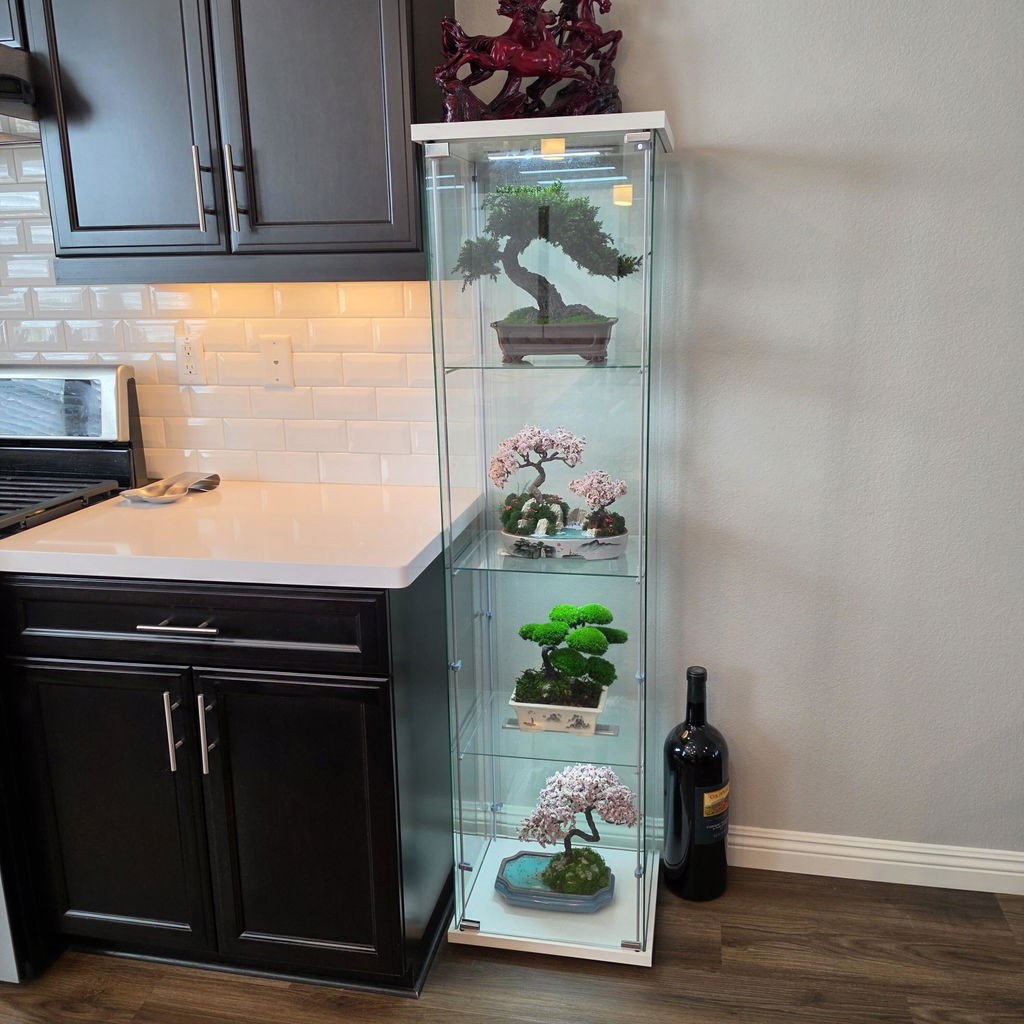
A terrarium is one of the easiest ways to bring nature indoors without needing a large garden or constant care. It combines plants, glass, and thoughtful design into a living display that fits almost any space, making it popular with beginners and experienced plant lovers alike.
If you've ever wondered what is a terrarium, the answer is simple. A terrarium is a small ecosystem created inside a glass or transparent container where every plant grows in carefully selected conditions. Depending on the design, it can be fully enclosed or open, but its purpose is always the same: to recreate a natural environment on a miniature scale.
The phrase terrarium meaning comes from the Latin word earth ("terra") and the suffix "arium," which is also used in the word aquarium. When considering the meaning of terrarium, it refers to a specially created environment where plants grow in conditions that closely replicate their natural habitat. Unlike a regular flower pot, a terrarium provides a balanced combination of soil, humidity, air circulation, and light, allowing every plant to thrive in optimal growing conditions.
The modern terrarium dates back to 1842, when British physician Dr. Nathaniel Bagshaw Ward accidentally discovered that plants could survive inside a sealed glass case. His invention, known as the Wardian Case, changed the way exotic plants were transported around the world.
During the Victorian era, collecting ferns became extremely fashionable, creating a movement often called "Fern Fever." Glass plant cases quickly became popular decorative pieces because they protected delicate species while displaying their natural appearance. That early idea eventually evolved into the decorative terrariums we know today.
Choosing the right terrarium depends on the type of plant you want to grow and the conditions you can provide.

A closed terrarium has a lid or sealed top that traps humidity inside the container. This creates a natural water cycle where moisture evaporates, condenses on the glass, and returns to the soil, allowing the system to recycle water with very little outside intervention.
A closed design works especially well for tropical species such as ferns, moss, and humidity-loving plants because the stable moisture level supports healthy growth. Since the water remains inside the container, a closed setup usually needs watering only occasionally, making it an excellent option for anyone who wants a low-maintenance mini-garden.

An open terrarium has no lid, allowing continuous airflow and faster evaporation. Because humidity escapes freely, an open design is best suited for succulents, cacti, and other plants that prefer dry conditions. Unlike a closed system, an open setup requires more frequent water checks because moisture disappears much faster. Good ventilation also reduces the chance of mold while giving each plant plenty of fresh air. An open design is often chosen when creating modern decorative arrangements with different textures and natural materials.
A terrarium is much more than a container with plants. It serves several practical and decorative purposes at the same time.
As plants mature, every terrarium gradually changes its appearance, making it feel more dynamic than ordinary home décor. This natural evolution is one of its biggest attractions because every arrangement develops differently over time.

Proper care helps every plant remain healthy while keeping the entire display attractive for years. Place the terrarium where it receives bright indirect light, since direct sunlight can quickly overheat the glass. Check the moisture level regularly because closed systems usually need very little additional water, while open designs should be inspected more often. Trim leaves whenever they become overcrowded so each plant has enough room to grow. Remove any damaged foliage promptly to maintain a clean look and reduce the chance of mold. If condensation completely covers the glass for long periods, briefly open the container to improve ventilation and restore balance.
Choosing quality material, healthy plants, and an appropriate container from a trusted shop makes maintenance much easier from the very beginning. Whether you plan to buy your first ready-made design or make one yourself, following a reliable guide helps you avoid common mistakes and achieve lasting results. A carefully designed miniature landscape offers more than decoration. It brings nature into everyday life, saves space, supports relaxation, and lets people like gardening even in apartments where traditional gardens are impossible. With the right balance of light, humidity, and care, a self-sustain system can continue developing naturally, offering both visual benefit and long-term enjoyment.
What is a terrarium?
A terrarium is a miniature ecosystem created inside a clear glass or plastic container where plants grow in carefully controlled conditions. It combines natural beauty, decorative appeal, and a compact design, making it a great addition to homes and offices.
What is a terrarium used for?
Terrariums are used to decorate indoor spaces, grow plants in a compact environment, create unique decorative displays, and make thoughtful gifts. They also provide a simple way to observe how a small ecosystem functions.
What is the difference between an open and closed terrarium?
An open terrarium allows free airflow and is best suited for succulents and cacti that prefer dry conditions. A closed terrarium retains moisture inside the container, creating a stable environment for tropical plants, moss, and ferns.
Do terrariums need sunlight?
Yes, terrariums need light to keep plants healthy, but bright indirect sunlight is the best option. Direct sunlight can overheat the glass container and damage the plants, especially in closed terrariums.
How long does a terrarium last?
With proper care, a terrarium can last for many years. Closed terrariums can even thrive for decades when the right balance of light, humidity, and occasional maintenance is maintained.


Abonnieren Sie unsere E-Mails